

Dementia care shaped around the person.
A calm, familiar approach for people living with dementia, with suitability assessed before care is agreed.
Familiarity and dignity
Support built around individual routines
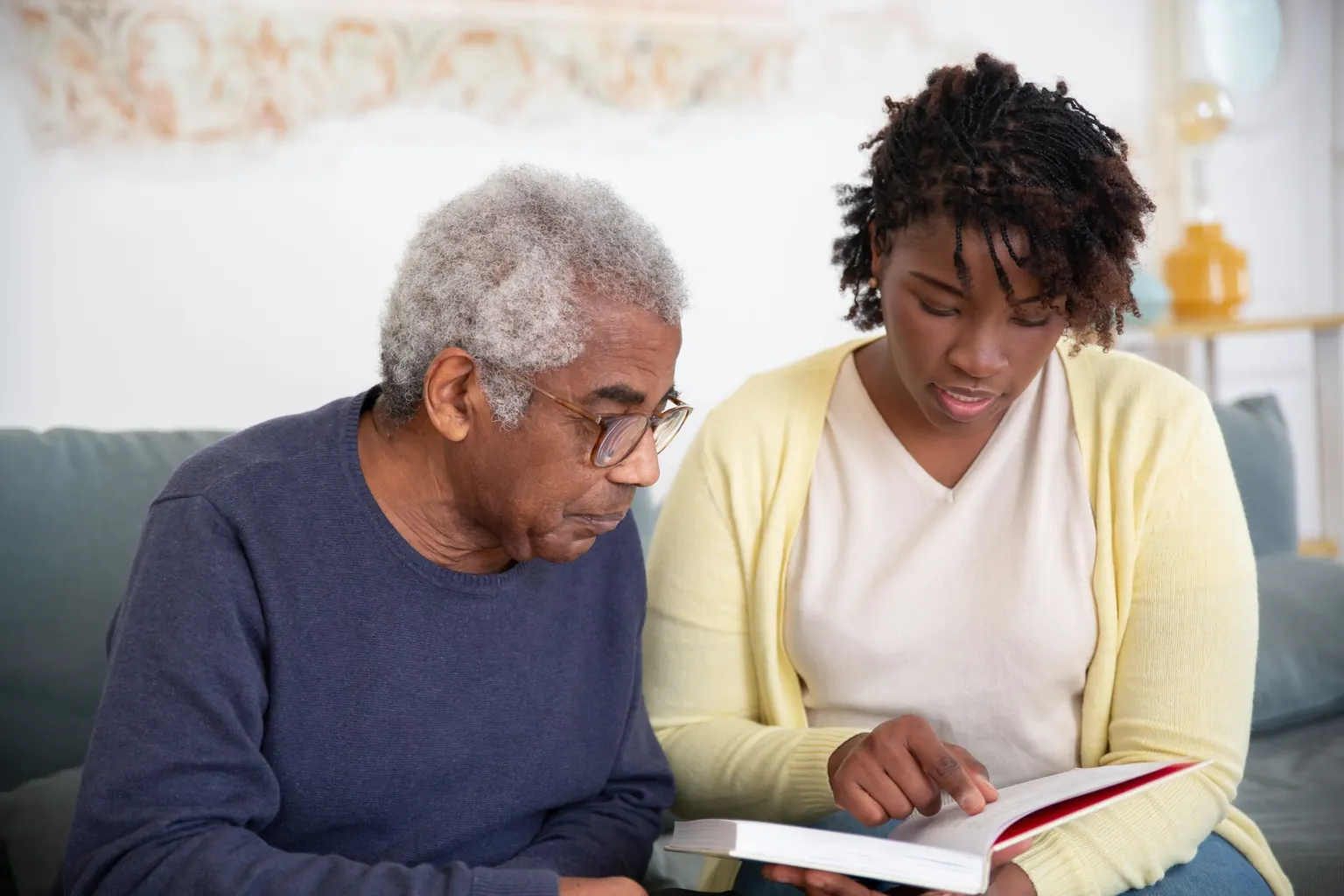
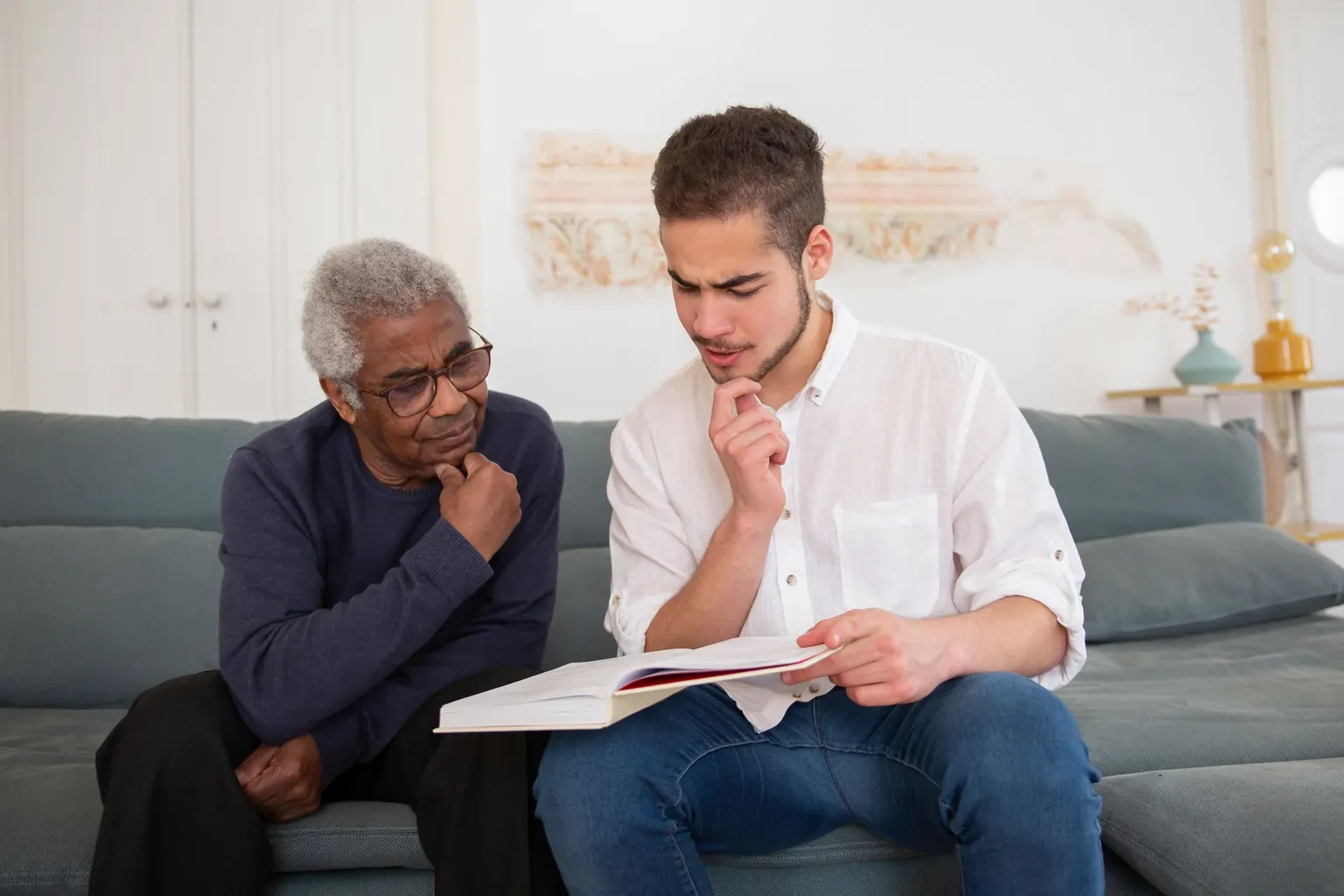
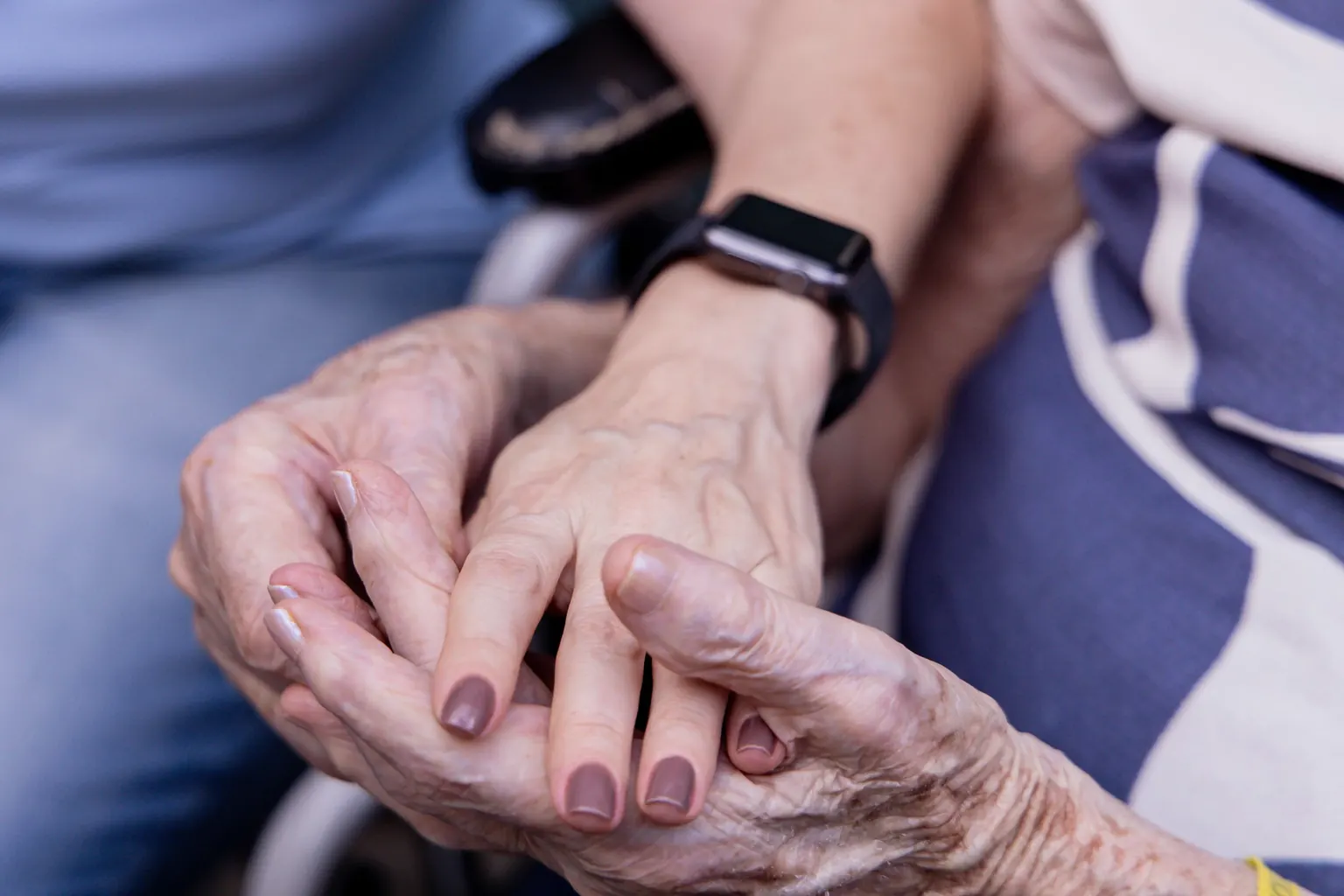
Dementia is one of Carrington House's registered specialisms. The aim is consistency, familiar routines and support that responds to the individual rather than expecting the individual to adapt to the home.
A first conversation helps the team understand communication, mobility, personal care, eating and drinking, medicines, distress triggers and the routines that help the person feel settled.
Registration does not mean that every person's needs can be met. Suitability is assessed individually before care is agreed, including any environment, staffing, equipment or outside clinical support the person may require.
Bring to the conversation
One familiar day.
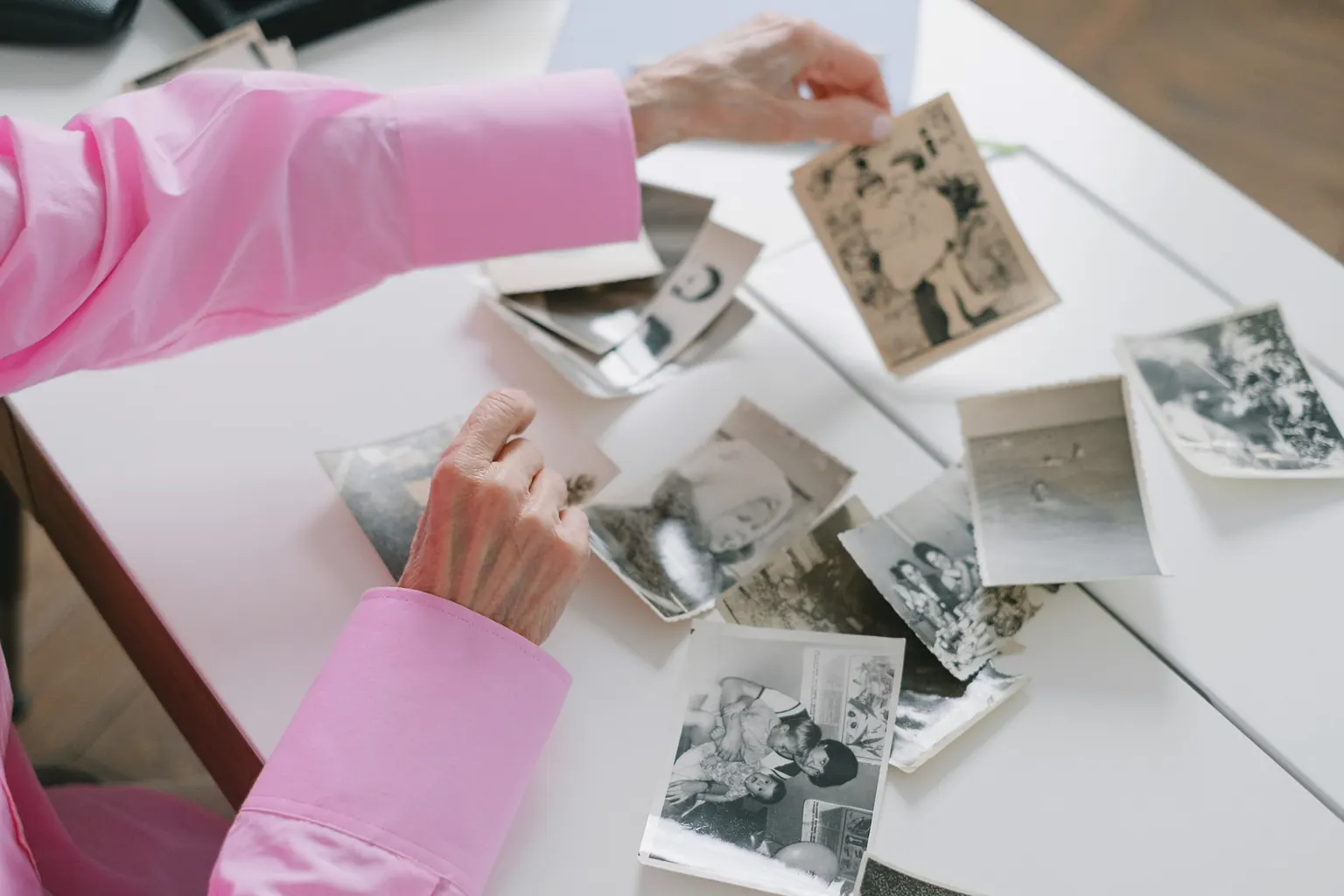
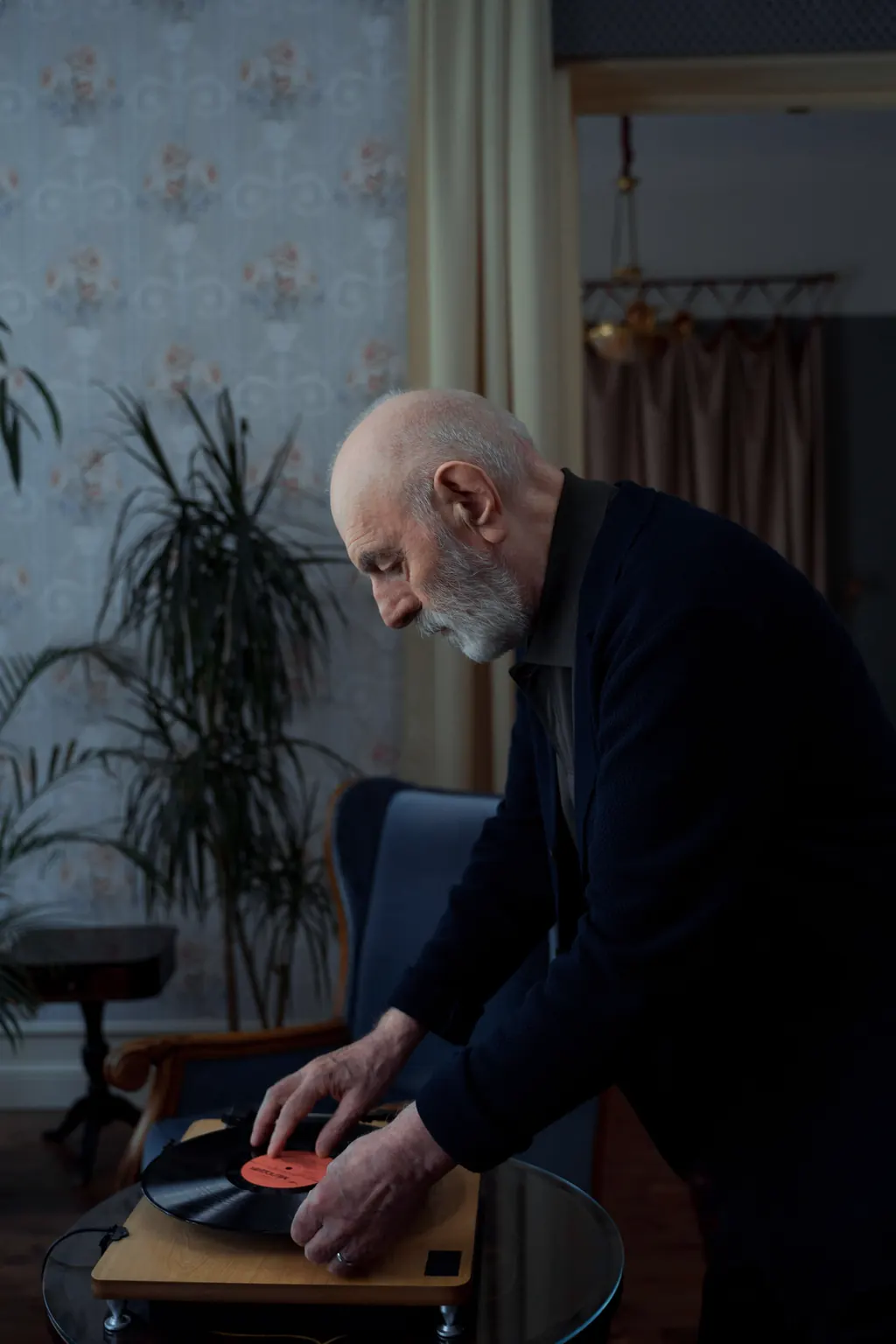
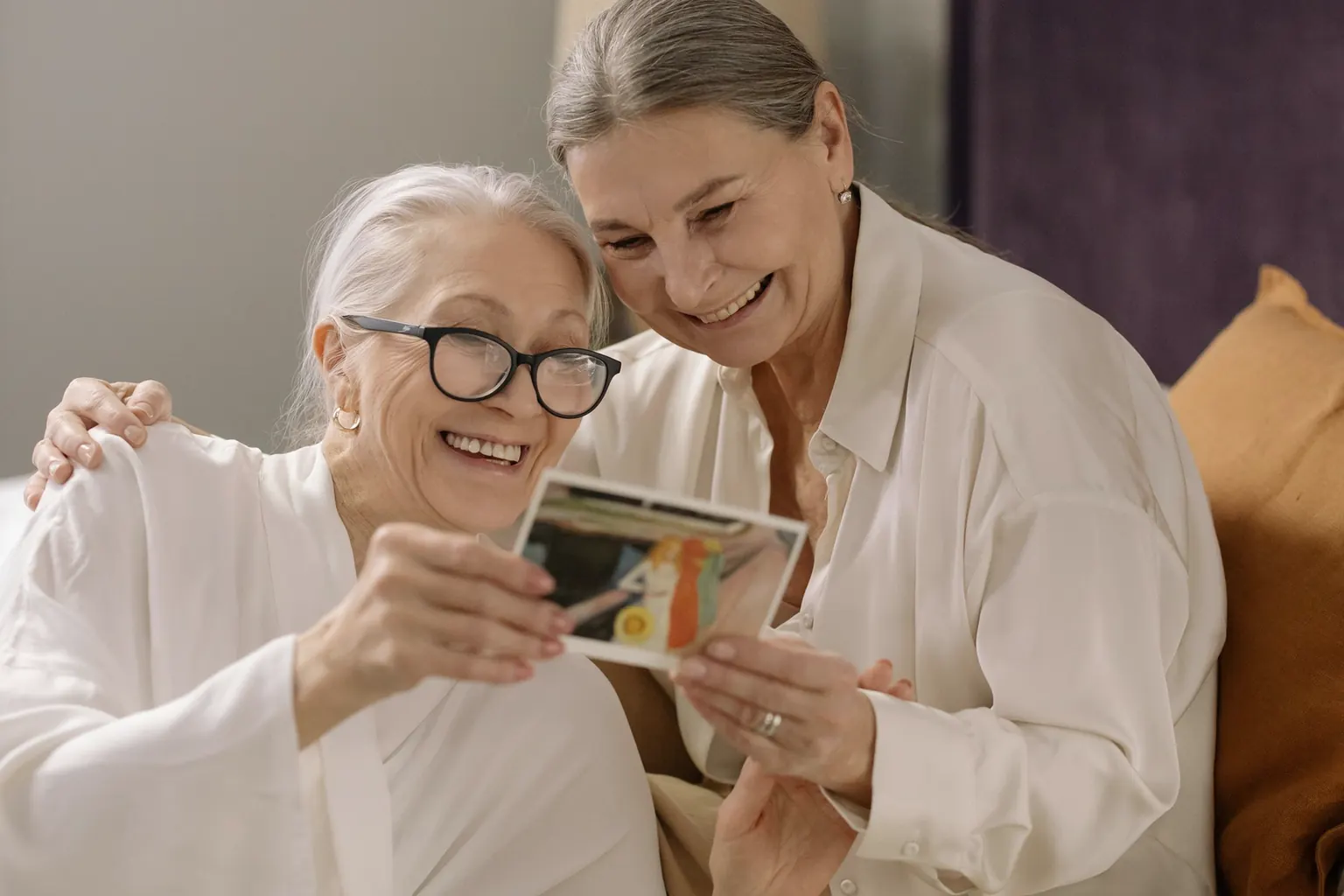
Write down what usually happens from waking to bedtime: preferred names, food, music, quiet time, communication, reassurance and the people who matter most.
- What helps the person feel settled?
- How do they show pain or distress?
- Which routines should stay familiar?
- 01 · Preferred names
- 02 · Food

- 03 · Music
- 04 · Quiet time

- 05 · Communication
- 06 · Reassurance
- 07 · The people who matter most
A useful assessment
What the conversation should cover.
Communication and life history
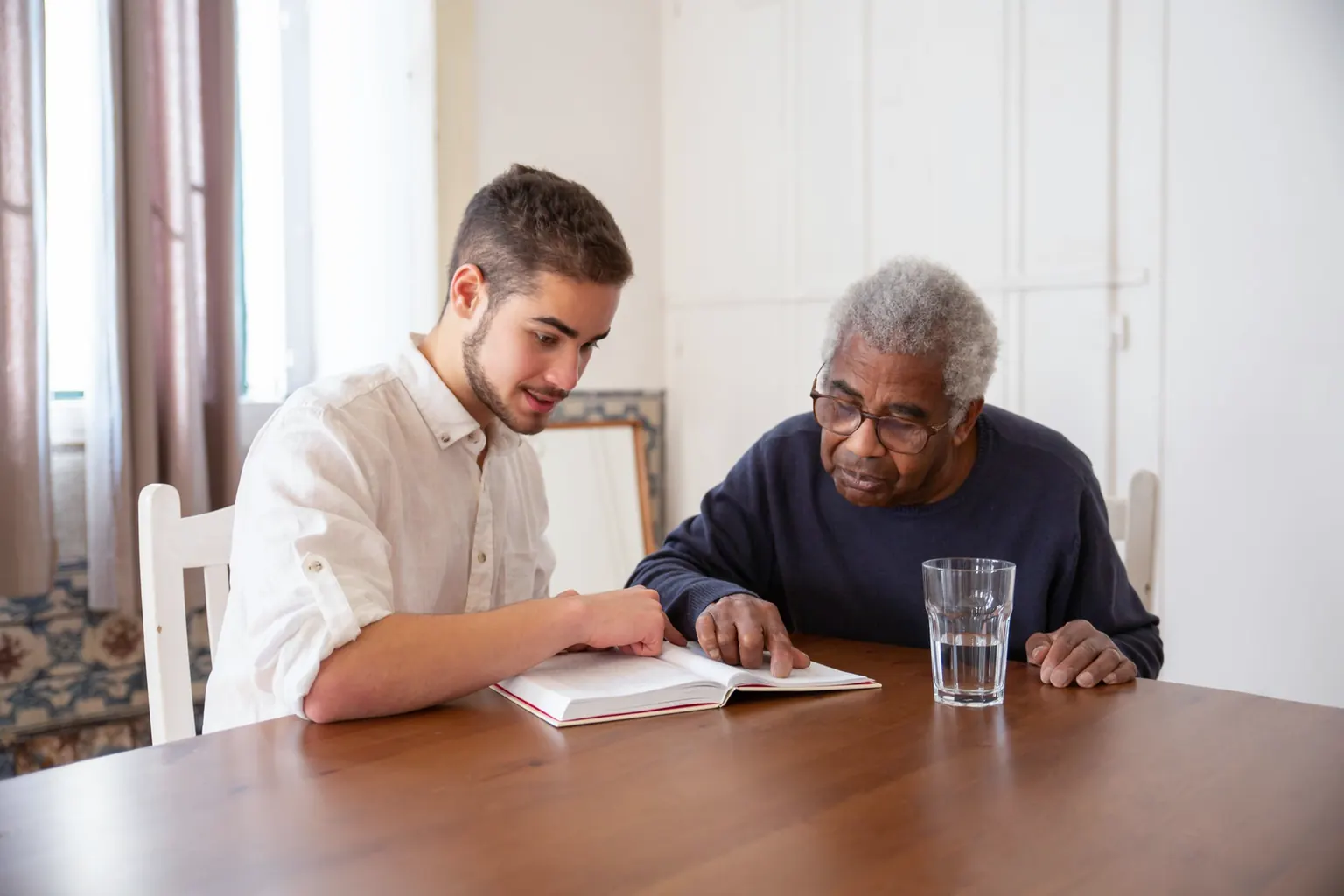
Explain how the person communicates, what is familiar to them and which routines or relationships matter most.

Distress and reassurance
Share known triggers, signs of pain or anxiety, and approaches that have helped the person feel safer.

Health and daily support
Cover mobility, falls, continence, medicines, eating, drinking, sleep and any professional involvement.

Review and family communication
Ask how care plans are reviewed, how changes are shared and who the named family contact should speak to.
Planning a visit
What families can look for.
- 01
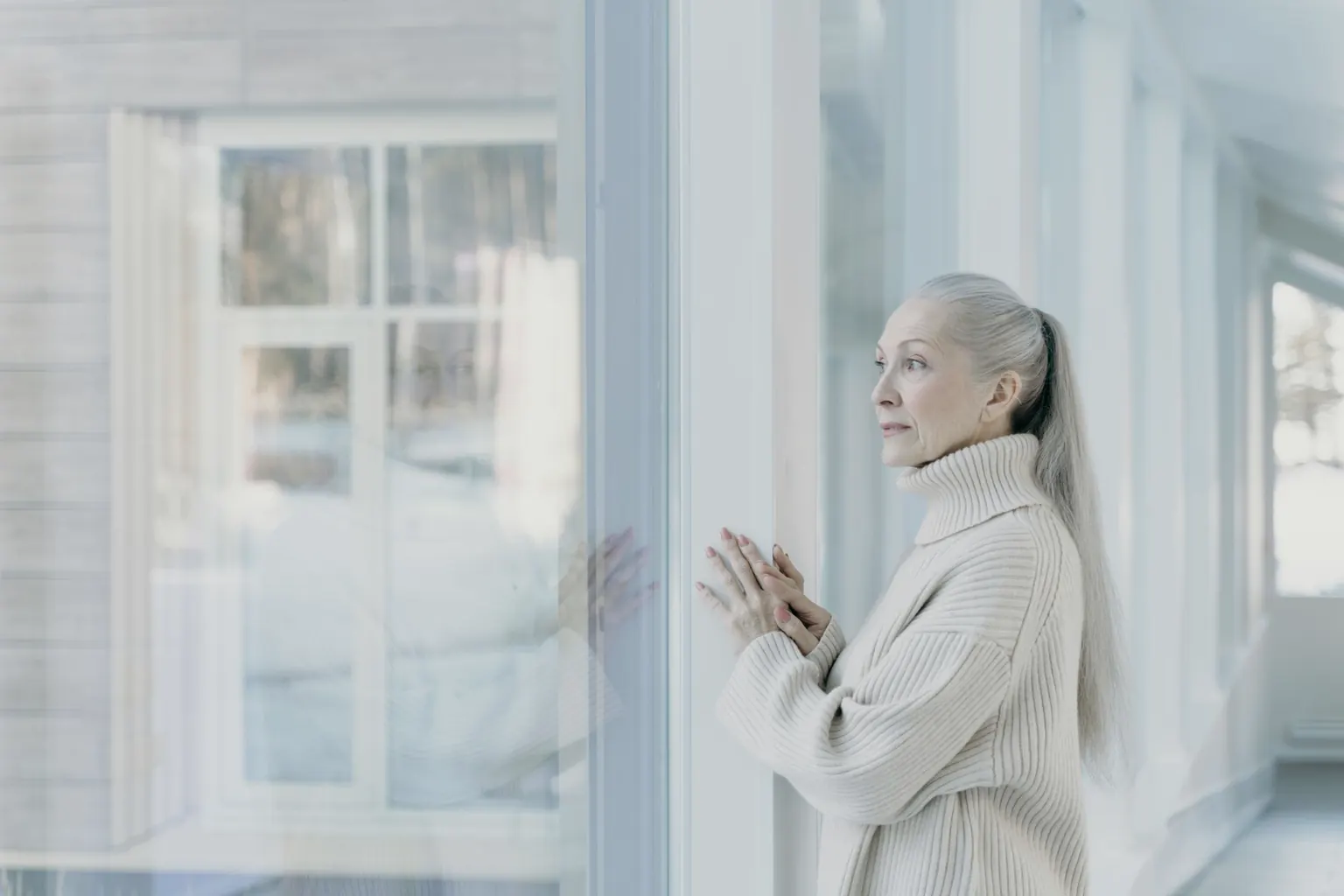
How the home feels
Notice whether the environment feels calm, respectful and easy to understand.
- 02

How routines are learned
Ask how preferences and life history are reflected in day-to-day support.
- 03
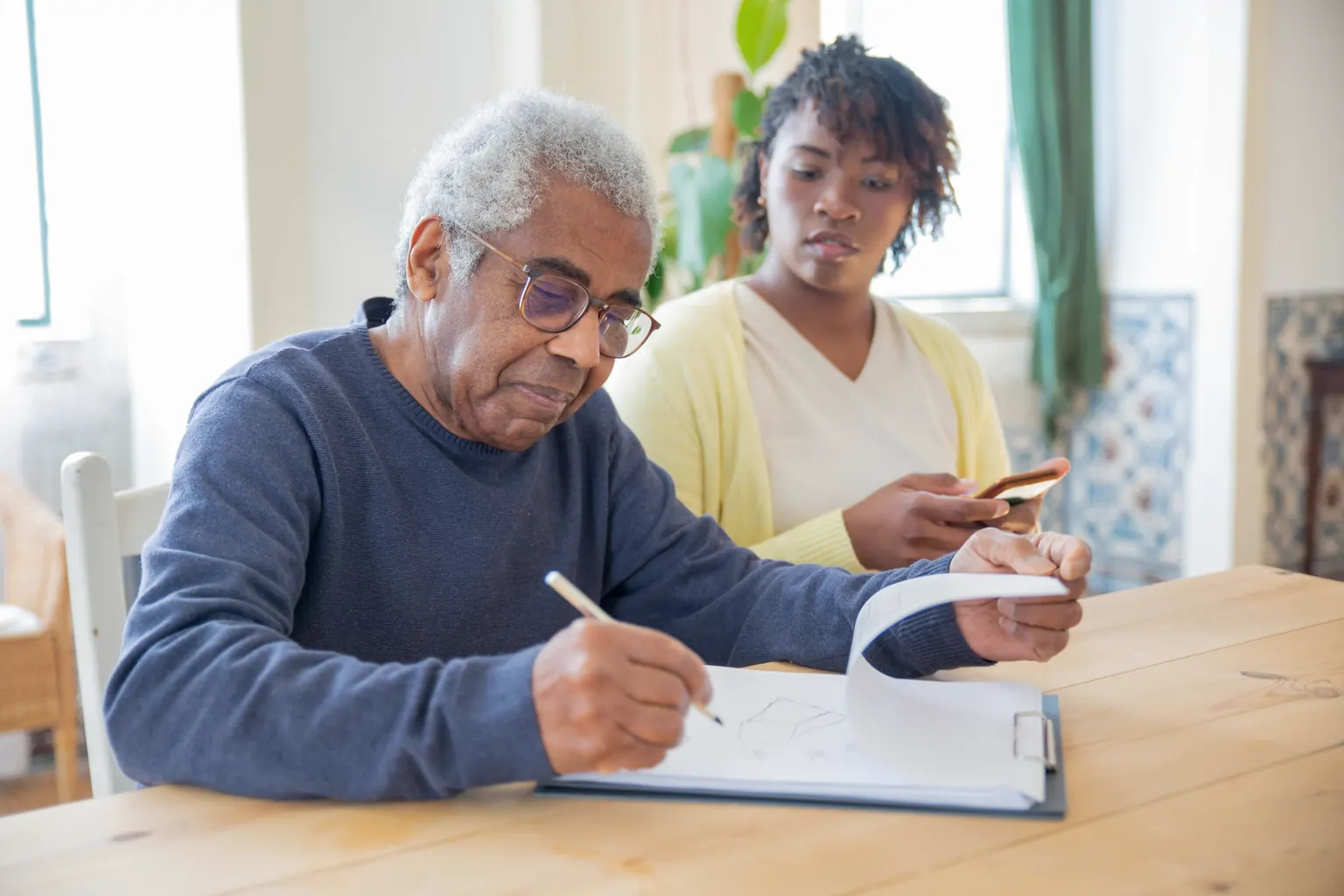
How changes are handled
Ask how the team reviews care and keeps families informed when needs change.
- 04
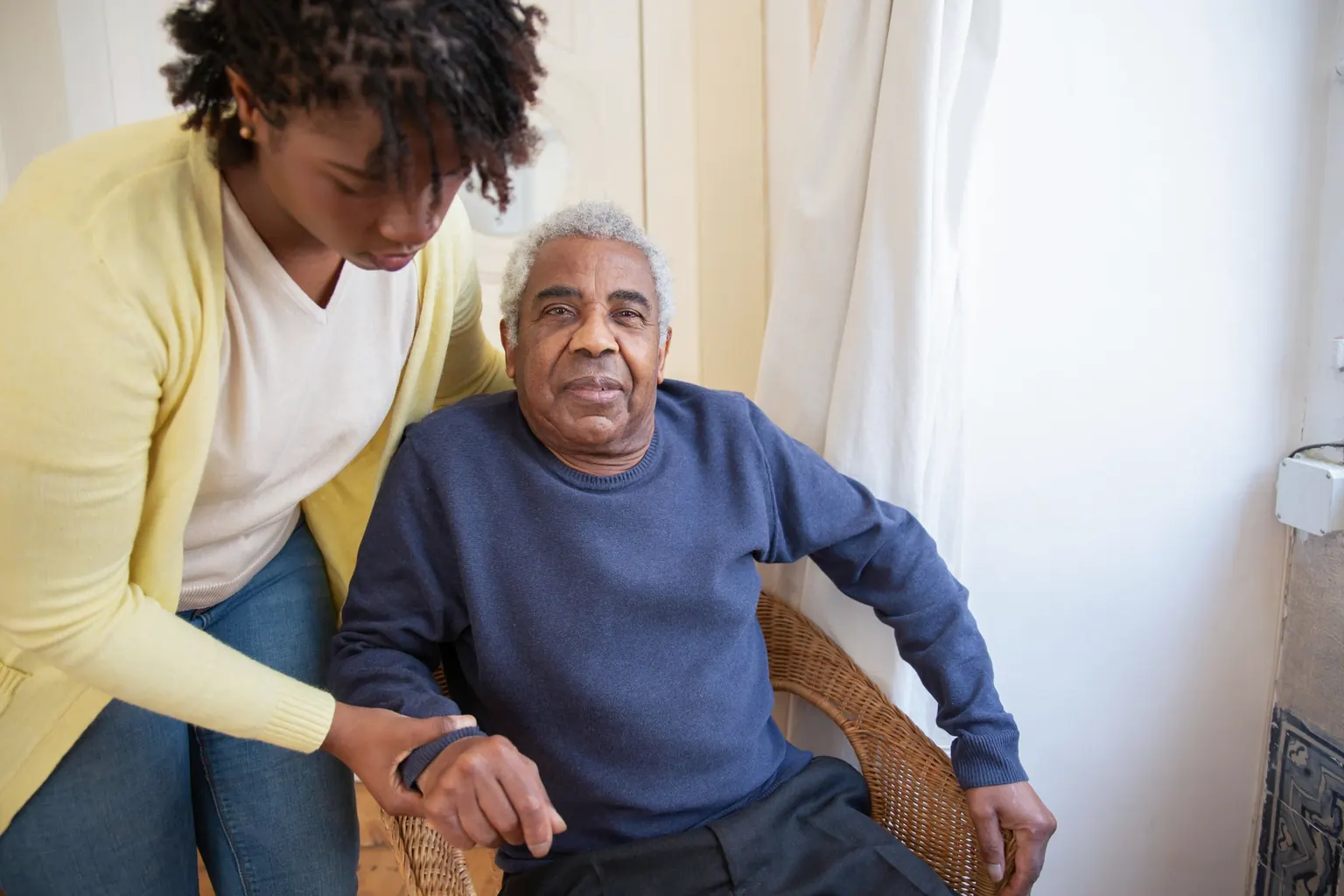
Current staff training
Ask which dementia training the people who would provide care have completed and how learning is checked in practice.
Registered service: dementia is included in Carrington House's CQC registration (opens in a new tab). Registration confirms the regulated service type, not that every individual need can be met.
Visit
Discuss dementia support.
Tell the home about your relative's needs and arrange a time to see Carrington House in person.
143 Vandyke Road, Leighton Buzzard, Bedfordshire, LU7 3HQ